




Your numbers, untouched
A case study lives on trust. The tool uses numbers, names and quotes exactly as you give them and never rounds, extrapolates or attributes a result to work you did not describe.
DFIRST Case study is an AI case study generator. Describe the project and paste its results, and it writes the full case study, a website version of at most 120 words with three result bullets and a LinkedIn post, plus a cover image. Numbers, names and quotes are used exactly as you supply them.
A case study from two short notes, shortened here. The figures in every version are the ones that went in.
SOL CLUB: sunscreen for the ride to work
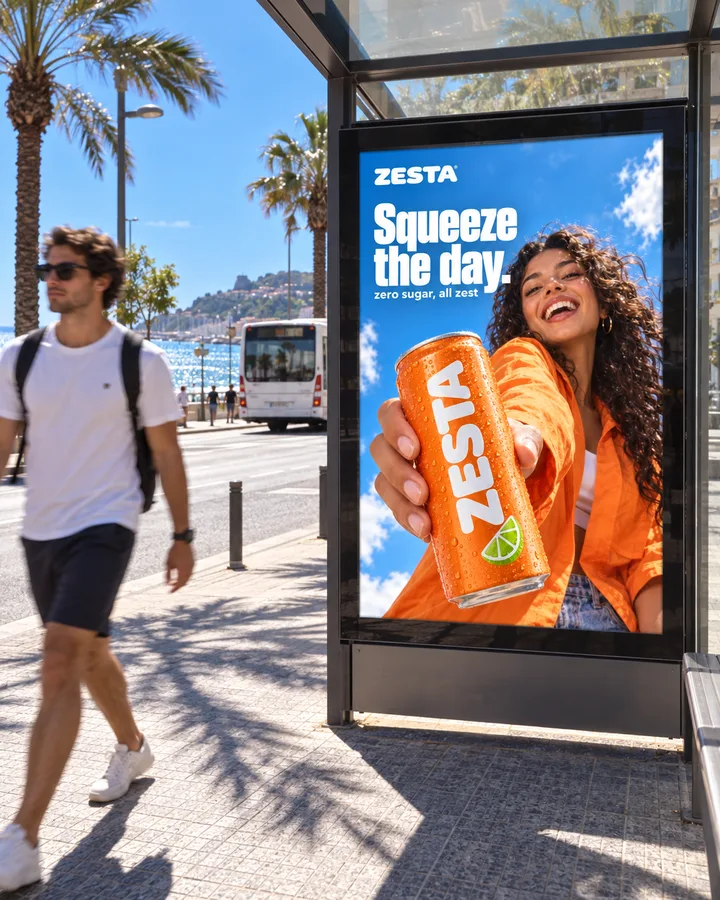
SOL CLUB was seen as a beach product. We built a spring Instagram series with city cyclists. In eight weeks, followers grew from 8,400 to 11,900, with 37 creator posts.
A spring Instagram series that took SOL CLUB from the beach to the bike lane.
How do you take a sunscreen off the beach? With SOL CLUB, we followed city cyclists through spring. Eight weeks, 37 creator posts, followers from 8,400 to 11,900. Read the full story: [link]
Three steps. The first one starts on this page.
Describe the client, the problem and what you did, then paste the results with their numbers and, if you have one, a client quote. Choose a tone and the cover format.
You get the full case study with headline, challenge, work and results; a short website version with three result bullets; and a LinkedIn post. A calm, editorial cover image is made from the project description.
Download the text and the cover, or generate again. Both are saved in your Data Room and can go on a session's board. You decide where the story goes and when.
A case study lives on trust. The tool uses numbers, names and quotes exactly as you give them and never rounds, extrapolates or attributes a result to work you did not describe.
If you paste a client quote, it is used word for word. If you do not, the case study has none, so nobody has to explain a sentence the client never said.
One run gives the full story for a pitch, the short version for your website and the post for LinkedIn. On a session board, the agent can turn the same facts into slides or a client offer.
A client case study template, filled in after every project and ready for the website and new-business pitches.
Proof of work that reads well, without losing a weekend to writing it.
Wins written up for leadership, partners or award entries.
Customer stories for sales, with every figure exactly as supplied.
The facts about Case study, as it works in DFIRST today.
About Case study and how it fits the rest of DFIRST.
Describe the project in the first box: the client, the problem and what you did. Paste the results in the second, with their numbers and any client quote. DFIRST returns the case study in three lengths, with a cover image made to match the project.
The tool follows one: headline, client and challenge, what was done, results and the client quote if supplied. The website version keeps to 120 words with three result bullets, and the LinkedIn post stays under 1,300 characters with one call to action.
No. It uses numbers exactly as supplied and never rounds, extrapolates or links a result to work you did not describe. Modest results stay modest, which is what makes the story believable to the next client.
Yes. The quote is optional and is used only if you paste one, word for word. The tool never writes a quote on the client's behalf, so you will not find words in it that nobody said.
A calm, premium image of the project's subject, made from your description, with no text, logos, charts, numbers or faces. It is a generated picture, not a photo of the actual work, so use your own photos when the work itself is visual.
Yes. Describe the client the way you want them shown, for example as a family-run ceramic studio, and the case study uses that description. Names only appear if you supply them, which makes it easy to share work under a confidentiality agreement.
Your case study draft waits on this device until your access starts. DFIRST opens to people on the waitlist first.
Updated